Kadr 
3D environments for robots and people.█
Kadr (cadre, кадр) is a project that aims to turn real places into high fidelity 3D environments.
A scan from Kadr produces two things:
One is a mesh that can be imported to NVIDIA Isaac Sim and then be used for the simulation with realistic physics.
Two is a walkable copy of the place. Imagine Google Street View, but in full 3D and ready for the Vision Pro.
The first instrument, Kadr-1, is a lidar and a global shutter camera assembled into one calibrated rig. The log below is updated as I go, and I'll do my best to publish the process and the things I learn. DM me on X or drop me an email.
Kadr is a weekend project. It is open-ended, and the goal is the process itself. We'll explore various sensor combinations and run into technical challenges such as time synchronization, sensor calibration, occlusion, and making sensor fusion work. Besides that, we'll touch on 3D graphics, gaussian splats and polygon meshes, geometry-grounded simulation, and more.
Take a look at the build log below to get started.
-
Aug 14, 2026
I assembled the first build of the rig and I'm really happy with its rigidity. The camera sits level and the lidar is tilted 20° forward. The correct angle is somewhere between 20° and 30°, and that's a story for its own post. It's hard to tell from the photo, but the Jetson is held firmly on all four sides: four printed pegs at the front, the detachable backstop at the rear, and the cage walls on either side. There are no fasteners.
Take a look at the photo:
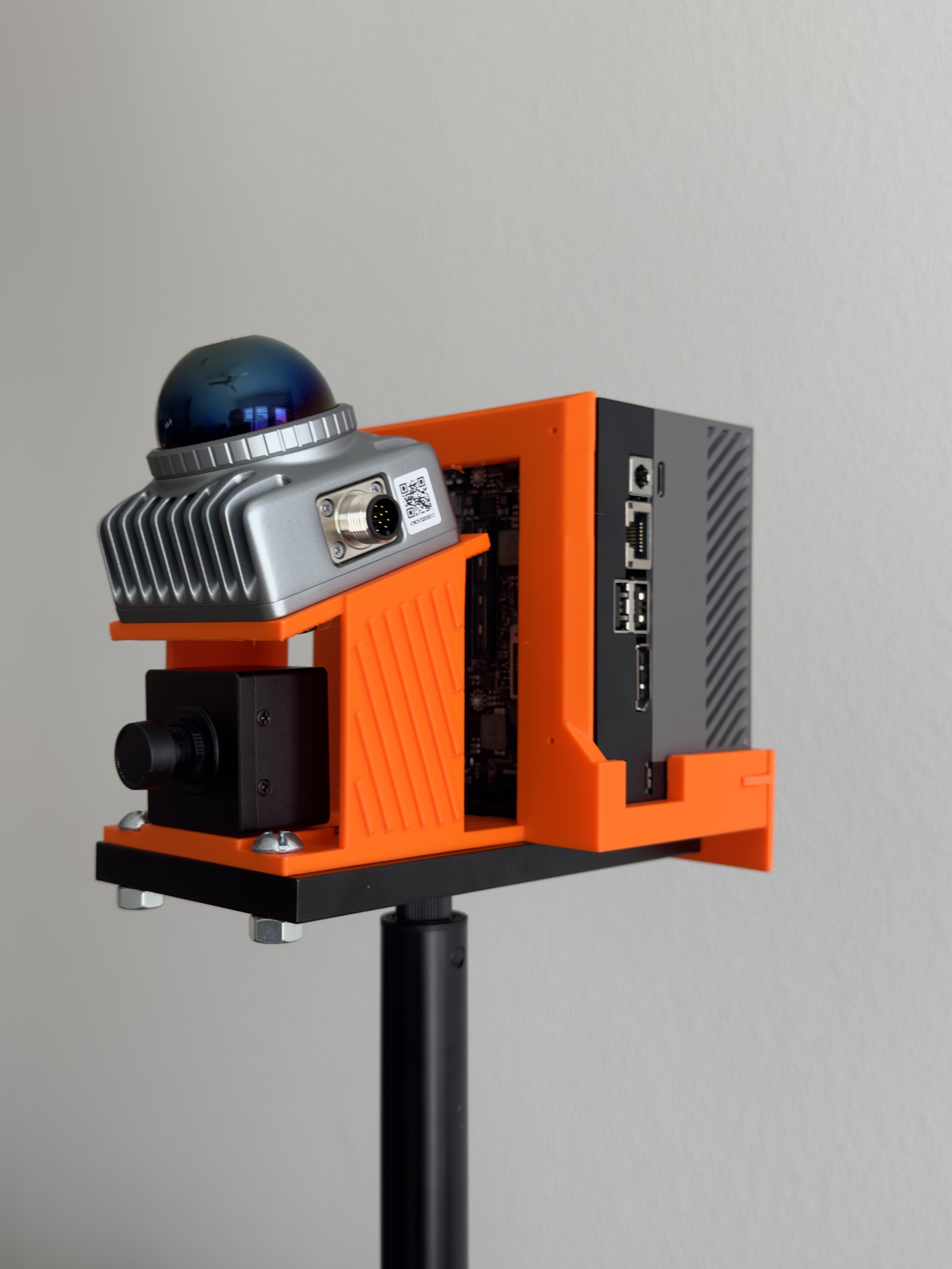
Assembled Kadr-1 rig, the first edition right from the printer The only part I'm not happy with is the pair of front screws and their nuts: the plate's frontmost row of holes turned out to be plain holes rather than threaded, so those two have to be bolted right through with nuts. I'll print orange ones to match, but I don't see a better way.
-
Aug 13, 2026
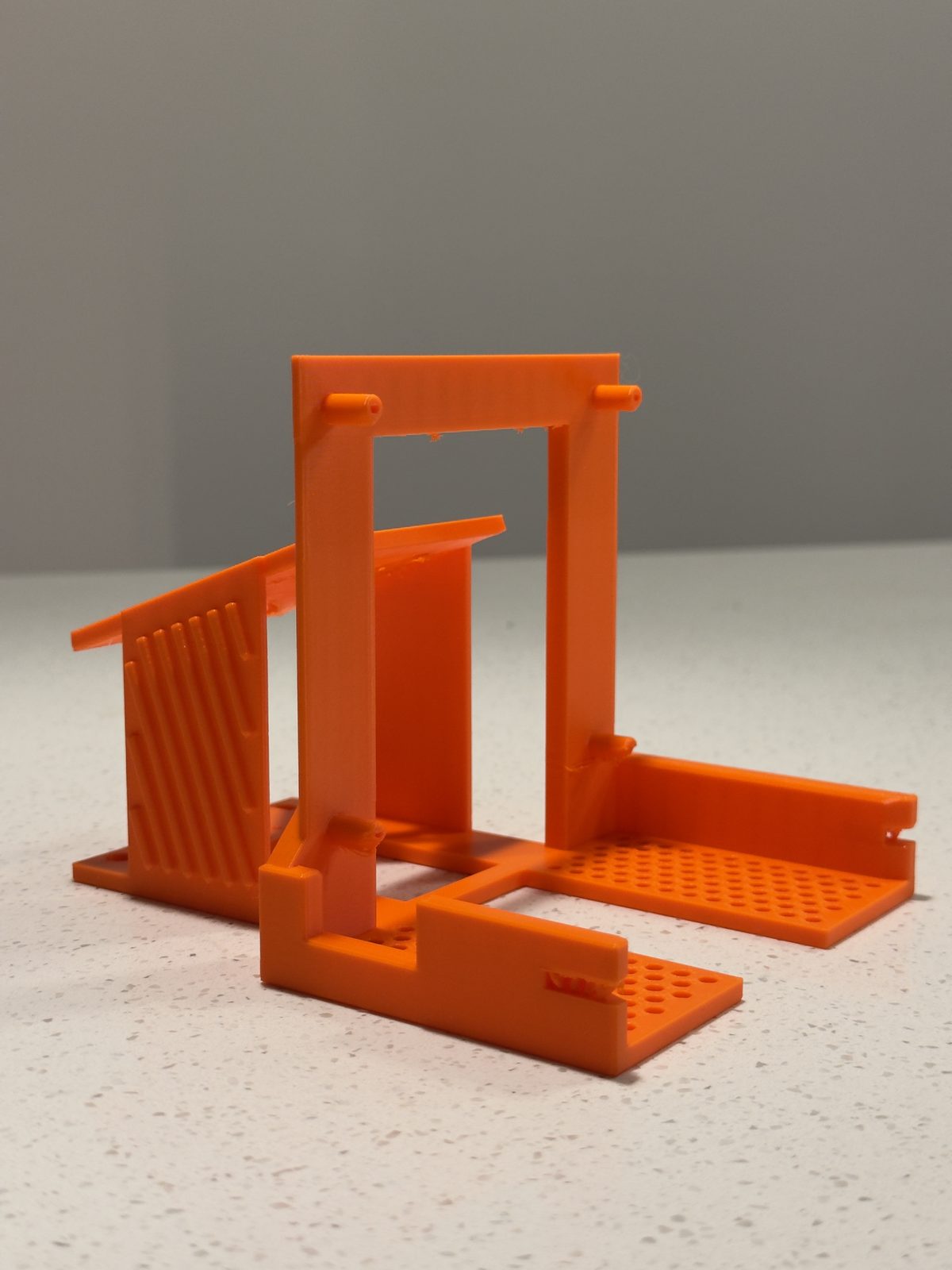
Here it is without (almost all) supports. See how four pegs are supposed to support the Jetson as I didn't find a simpler way to hold it in place.
Kadr-1 rig -
Aug 13, 2026
After a couple of weeks and a pile of prototypes, I printed a two-piece rig that should do the job. I specifically wanted a single fused mount for maximum rigidity. The mount carries the lidar seat, the Jetson frame and the camera cradle. A detachable rear backstop traps the Jetson from behind and screws into the plate's aluminum.
From my current perspective, the three.js step was a sideways one. It was never a solid model, just a sketch, but it settled the sensor geometry. Unfortunately, it was not manufacturable, and every dimension had to be re-derived in FreeCAD. That's where the main bulk of the work went.
The CAD step turned out to be big enough to deserve its own post. Claude and I made 150+ geometric checks on the model and had to deal with a long list of problems which only showed up when I started printing. I need a bit of time to reconstruct the whole process.

I cooked something (not the first edition, frankly speaking) -
Aug 4, 2026
This week's step is the hardware layout. Unfortunately, I don't draw, so I sketched the whole rig as an interactive 3D model in the browser instead. This model shows which sensors go where, how to fit the Jetson on the back and why the lidar is tilted forward. The geometry considerations deserve another dedicated note, but that's not my priority for now.
Sketching Kadr-1
KadrAug 4, 2026 -
Jul 30, 2026
Kadr-1 is starting to take shape. Jetson goes to the aft, the lidar is on top and the camera (shot upside down on photo!) is directly attached to the plate.
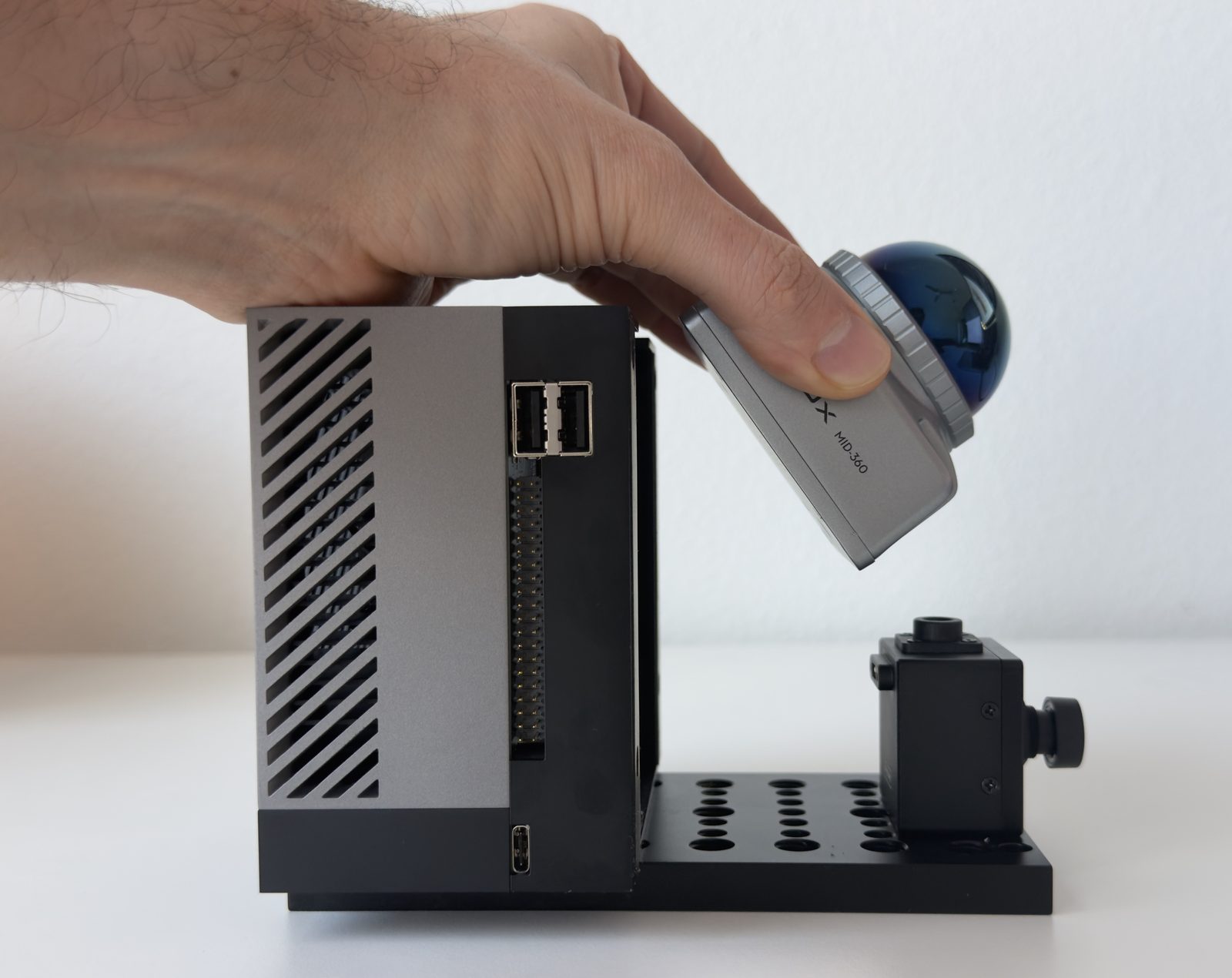
Overall layout of the rig -
Jul 27, 2026
Time to select the base of the rig. This plate should bear the weight of the Orin, sensors, plastic and act more like a prototype board than a tailored production unit. My goal is to experiment and change layout on the fly — the board should allow that.
After doing a bit of research, I found this very cool cheese plate, SmallRig 1092. It is cool: the aluminum alloy is quite strong for my purposes, it has just enough space for all my sensors and the Jetson and it provides plenty of holes for mounting.
I did not manage to find the 3D model of the plate, but I should be able to make it myself. It is a pretty simple brick to measure and model.

SmallRig 1092 -
Jul 26, 2026
For many years working in self-driving tech, I've been fascinated by the possibilities our sensor rigs can open in robotics. Cameras are good at capturing the semantics and visual fidelity of the world. Lidar scans provide physically grounded geometry which helps build an extremely accurate 3D map. But the coolest and most challenging thing is to combine them.
A bunch of sensors and a dream
KadrJul 26, 2026 -
Jul 26, 2026
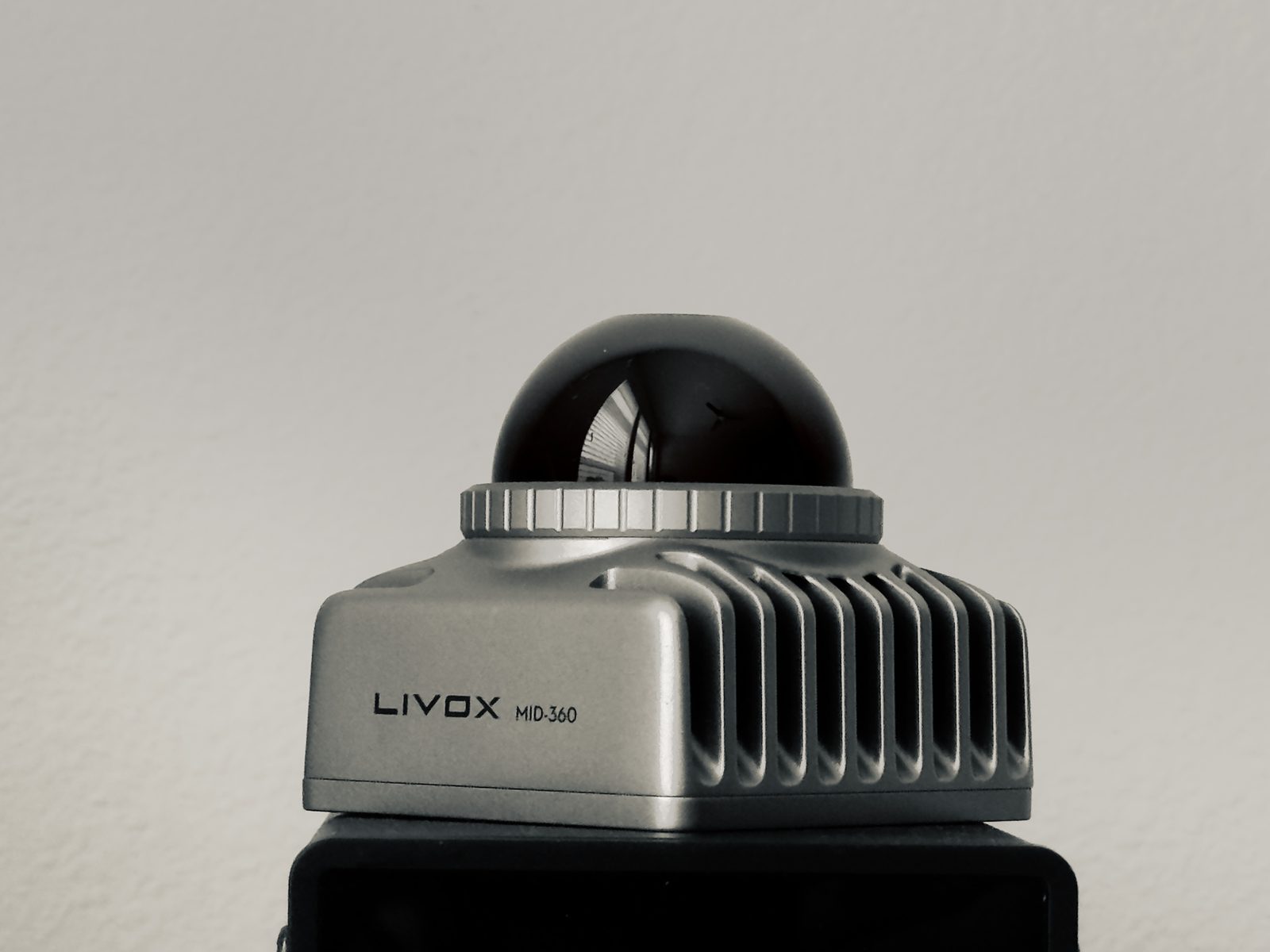
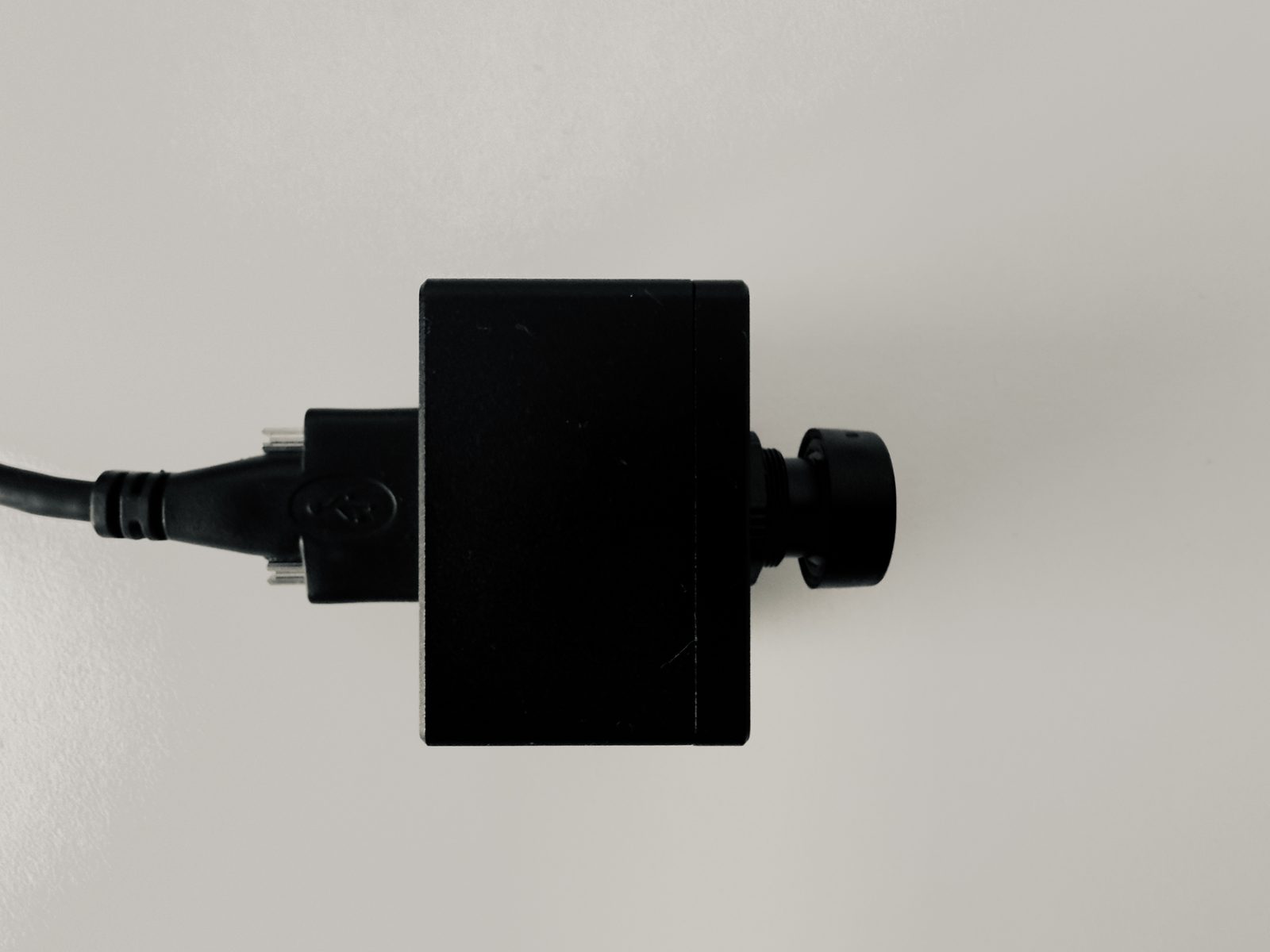
Featuring two main characters:
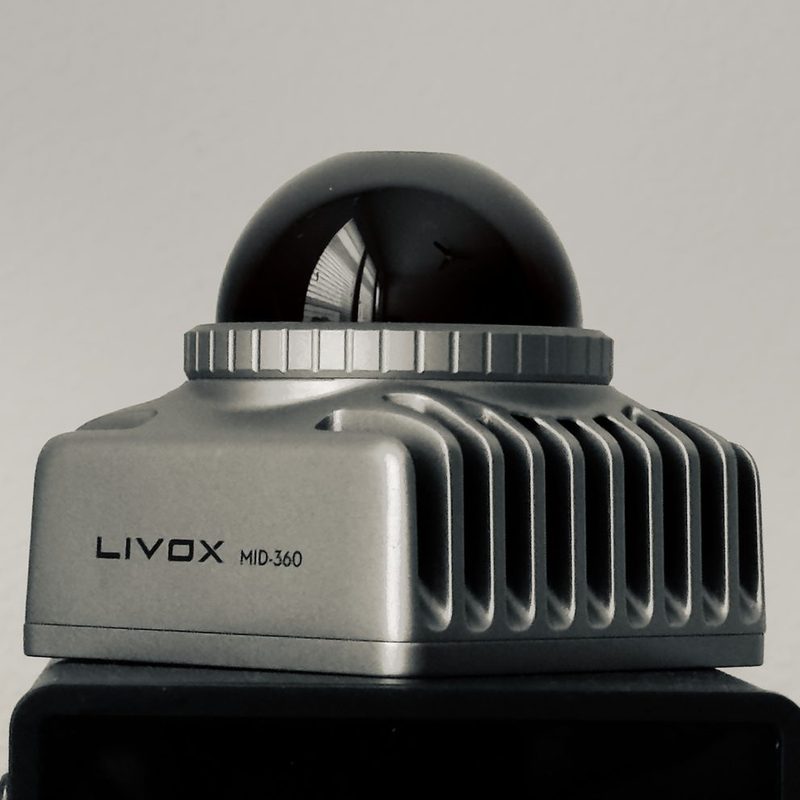
Livox Mid-360 short range lidar 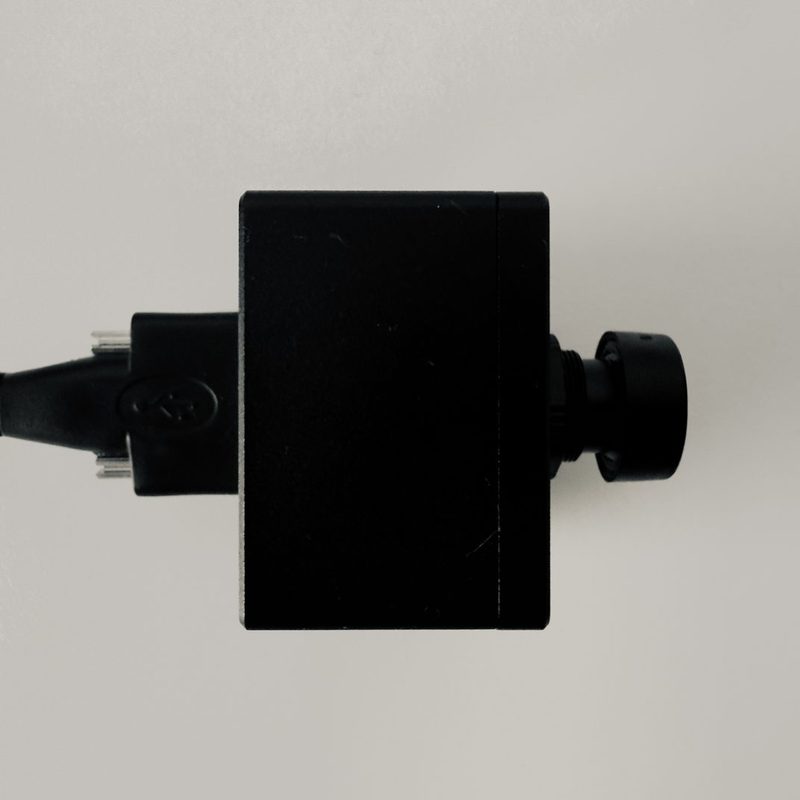
Arducam AR0234 global-shutter camera -
Jul 24, 2026
We are starting! I've recently become amazed at how much leverage LLMs can give you to take an experimental project like this off the ground.
I don't know much about CAD. I don't write firmware or drivers. Building the infrastructure for the project sounds scary. Time synchronization, frame transforms, zero-copy transport and other daily problems of a project like this are pretty daunting for one person to handle.
Luckily, I've got three things at my disposal: (1) a general understanding of how pieces fit together, (2) the ability to manage the scope, (3) a modern tech stack with LLMs / AI as part of it. So — let's see where the project ends up.
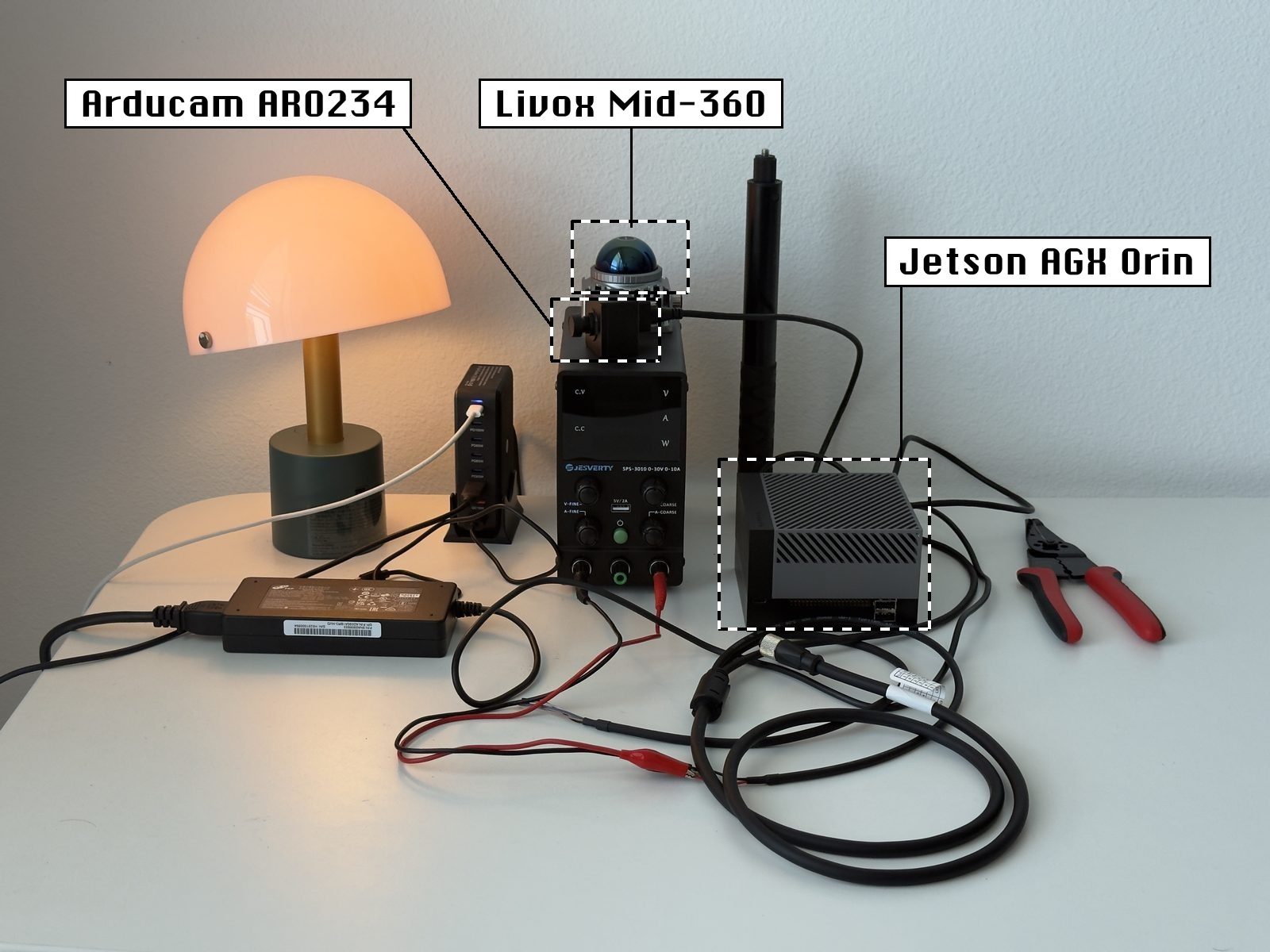
Some sensors, a Jetson and a dream.
Get updates via email. Once in 2 weeks, curated by me.